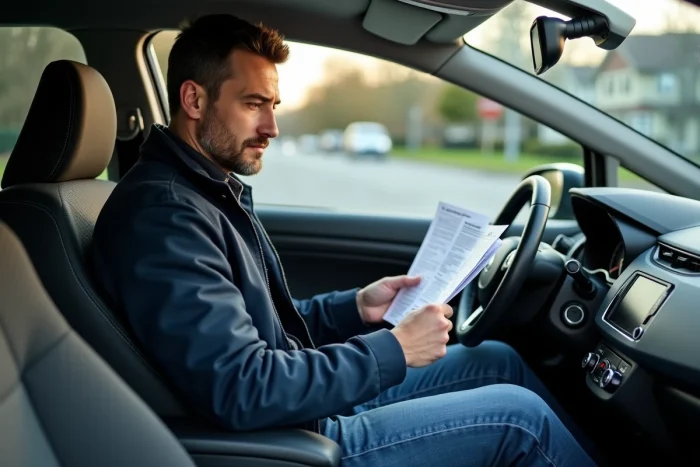
Thousands of drivers have discovered that a simple serial number could change the fate of their car. Over the years, massive technical recalls have affected PureTech 1.2 engines, installed under the hood of many Peugeot and Citroën models since 2013. Beneath the hood, the apparent tranquility of this gasoline engine concealed recurring failures: fragile timing belt, persistent oil overconsumption. Owners found themselves facing a new technical reality: monitoring their serial number and year of manufacture to know if their vehicle needed to visit the workshop. The recall lists, communicated and updated by the manufacturers, have become the key to identifying models exposed to these defects.
PureTech at Peugeot and Citroën: understanding the ongoing recall campaigns
The Stellantis group has multiplied recall campaigns on its PureTech engines in recent years. This three-cylinder gasoline engine, which has invaded the Peugeot and Citroën ranges, has come under the spotlight due to repeated issues: oil jet cooling nozzle, temperamental timing belt… Several generations of vehicles are affected, from city cars to family cars, registered all over France and Europe. The recall does not focus on an isolated failure, but rather on a set of malfunctions capable of causing accelerated engine wear, or even complete failure. The warning signs? Lubrication problems, loss of power, warning lights repeatedly illuminating. The measure concerns both new vehicles and used or stock models. According to the figures provided, several thousand cars undergo this verification and repair process each year.
To navigate this, there is a simple tool: the PureTech recall campaign on Carfully. This service, based on the serial number, cross-references official data from manufacturers and allows for a quick check to see if a car is listed in a recall operation. Owners receive clear, updated information and can anticipate a workshop visit. The goal: to avoid major breakdowns, secure the fleet, and ensure the reliability of the affected models.
Which models and years are affected? An overview of impacted vehicles
The scope of the PureTech recall is broad. It concerns several brands within the group, primarily Peugeot, Citroën, and Opel. Between 2013 and 2019, the wave of equipping the 1.2 PureTech engine affected many models, especially compact sedans, city cars, and urban SUVs.
Here are the main families of vehicles identified by the recall campaigns:
- For Peugeot: 208, 2008, 308, 3008, 5008
- For Citroën: C3, C3 Aircross, C4, C4 Cactus, C4 Picasso
- For Opel: Corsa, Crossland, Grandland
The multitude of versions, trims, and markets complicates detection: depending on the year, configuration, or country, the presence of the affected engine varies significantly. It is difficult to rely on external appearance or simply the year of production, as batches differ based on chosen equipment or export markets.
Only the serial number, or VIN, allows for reliable and quick identification. Inscribed on the registration document and engraved on the chassis, this unique code provides access to the Carfully database, which centralizes official updates from Stellantis. In just a few minutes, each owner knows whether their vehicle is on the list or not.

How to check if your PureTech engine is subject to a recall and what steps to follow
In light of the repeated recall campaigns, one question arises: how can you know if your car is among the targeted models? The secret lies in the VIN and in the manufacturers’ databases, which are systematically updated.
To check the status of your vehicle, start by obtaining its identification number. This 17-character code appears on the registration document and at several locations on the chassis. Then, simply consult the manufacturer’s website or contact your usual dealership: the online interface allows you to enter the VIN and access the list of ongoing recalls, regardless of the brand concerned within the group.
If the recall is confirmed, you will generally receive a written or electronic notification. But it’s better to be proactive: updating the files can take time. Take the initiative to contact the authorized network, report the situation, and schedule an appointment. The intervention is then covered by the manufacturer, as part of the official procedure. Some operations entitle you to a specific warranty extension, particularly for lubrication or cooling-related defects.
To facilitate the process, here are the steps to follow:
- Prepare your registration document
- Check the VIN on the dedicated platform
- Contact a workshop in the Peugeot-Citroën network if in doubt
One piece of advice: if you are buying a used car, demand proof that the recall has been properly addressed. This is the only way to eliminate a mechanical risk that could jeopardize everything.
This simple serial number can sometimes be worth much more than any warranty: in just a few minutes, it can radically change the trajectory of a PureTech engine and prevent many disappointments on the road.