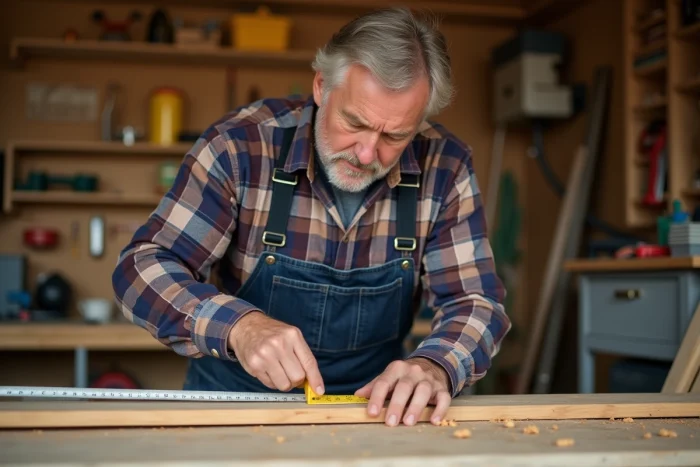
A simple spirit level guarantees nothing: you need more than a straight tool to perfectly align a shelf, even when the manual promises it. Wood glue, often touted as the universal solution, can sometimes weaken the result depending on the chosen material, contrary to expectations.
At home, nothing beats a methodical approach for success: it’s about breaking down each goal into several clear steps, starting from a thoughtful choice of tools to the final well-executed finishes. The source of failures? Often, we skip a check, rush a reading, or overlook details. But these setbacks almost always stem from a lack of method that attention and a small dose of rigor can counter.
The pitfalls of DIY at home: what you’re not always told
A project started in a rush can turn into an endless chore. When preparation is rushed or when one dives in without a clear plan, even the smallest task quickly becomes a marathon fraught with obstacles.
Organization, more than pure talent, makes the difference. Certain pitfalls keep recurring; you need to know them to avoid them:
- Diagonal holes, a panel screwed in too quickly, poorly sized dowels, joints applied carelessly… These blunders quickly leave their mark and undermine the quality of the result.
The secret, ultimately, is to establish a precise routine. We move step by step, we check, we prioritize robust tools over those that are merely flashy. Such discipline alleviates pressure, reduces stress, and transforms DIY into satisfaction.
Even better, leveraging the experiences of others accelerates learning. Feedback on the pro DIY blog attests to this: you can find proven tips, read about mistakes to avoid, much more instructive than standard manuals.
There are still a few reflexes that, through consistent application, become real safeguards:
- Follow each sequence in order, do not skip crucial steps.
- Carefully check surfaces and supports from the start.
- Never skip basic protections: goggles, gloves, even for what seems insignificant.
The reality: manuals never tell the whole story. Assembling furniture upside down or making a botched cut is worth more than a long speech; it’s these lessons learned on the ground that truly sharpen practice and forge a seasoned DIYer.
Tools and materials: choosing wisely to really progress
It’s often thought that you need to accumulate a whole arsenal to DIY properly. It’s the opposite: prioritizing quality over quantity proves beneficial. It’s better to have a tight list of reliable tools than accessories whose use is unknown.
Some essentials deserve their place in any toolbox. Here’s a selection designed to tackle the majority of small projects:
- Robust drill, multi-format screwdriver set, ergonomic jigsaw, balanced hammer: these tools cover the vast majority of domestic situations.
We gladly add a spirit level, an adjustable wrench, and a few specific brushes to manage finishes without difficulty. Maintaining and storing this equipment carefully avoids many breakdowns or hassles in the next project.
Choosing materials from the start avoids disappointments. The wood must be well-dried, treated elements if the exterior is concerned, and fixings selected with care. This requirement ensures stability, resistance, and longevity of the creations.
An organized workspace changes the game. Less time wasted, fewer risks of frustration, it all comes down to a few simple principles:
- Equip yourself with reliable and sturdy tools, capable of withstanding use.
- Inspect the condition of your instruments before each use, to anticipate rather than suffer.
- Establish a brief maintenance ritual after each session: cleaning, organizing, efficiency follows, simply.
When the workshop is ready, you work faster, more calmly, and DIY becomes a pleasure at every step.

First DIY projects: tips within everyone’s reach
The ideal way to start without stress? Choose accessible projects that allow for progress without discouragement. A few examples among the most formative:
- Installing a shelf, reviving an aging dresser, or making a small custom piece of furniture for an underutilized entryway.
Each project is an opportunity to sharpen your eye, learn to measure accurately, and take the time to perfect the finishes. Tutorials convey techniques, shared advice, and discussions with enthusiasts accelerate the learning curve; nothing replaces the community for rapid progress.
With practice, certain gestures become allies: spotting a water leak with toilet paper, unblocking a hinge with a simple drop of oil, achieving a paint edge by carefully masking the contours with tape. These little tricks, gathered from project to project, make all the difference. Unsurprisingly, caution remains essential; the INRS regularly affirms it: helmets, masks, and goggles are far from optional, even for modest renovations.
For those who want to go further with peace of mind, some organizations offer reliable resources, including ANAH training or the National Institute of Consumption. Enough to dare to attempt more technical works without fearing to break everything.
No matter the size of the project, what matters is seeing your home evolve room by room. You fumble, you learn, and gradually, the satisfaction of building grows, unique and palpable. Ultimately, it’s the way you look each day at what you’ve accomplished that is enough to inspire you to start again.