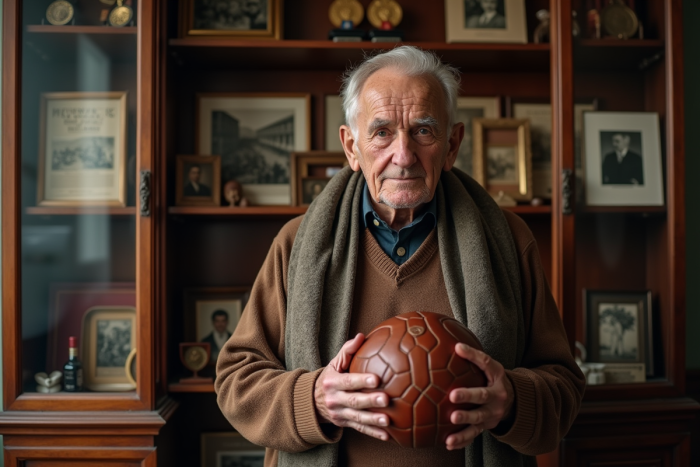
The archives are not enough to tell the truth of football. It is the chants in the stands, the thrills of a final night, the stories passed down from neighborhood to neighborhood, that forge the true heritage of the round ball.
When football shapes history and collective memory
Football goes far beyond the framework of mere sport. It becomes a mirror of a collective memory that is written on the sidewalks of France as well as on the lawns of the whole world. Behind every club, every team, there is a saga woven from victories, poignant defeats, and gestures that transcend time. From its beginnings, the French Football Federation drew from the heritage of the English football association, while anchoring itself in a popular tradition that helped shape the contours of a strong French identity.
When the kickoff of a major event resonates, whether it be the Olympic Games, the World Cup, or during periods of global conflict, French football finds itself shaken, reinvented. Pierre de Coubertin, a fervent advocate of physical education and a driving force behind the International Olympic Committee, saw in this sport much more than just a game: a force capable of gathering and uniting. While the First World War halted the rise of many clubs, the Second World War marked the rebirth of a collective passion, contributing to the reweaving of social ties.
Some journeys stand out as modern tales. Take the example of AJA 1905: here, football does not merely unite a city; it shapes a national legend. The victory of the French national football team in 1998, etched in the memory of an entire generation, continues to fuel shared memories, nurturing a popular memory that goes far beyond the stadiums, reaching into everyday conversations.
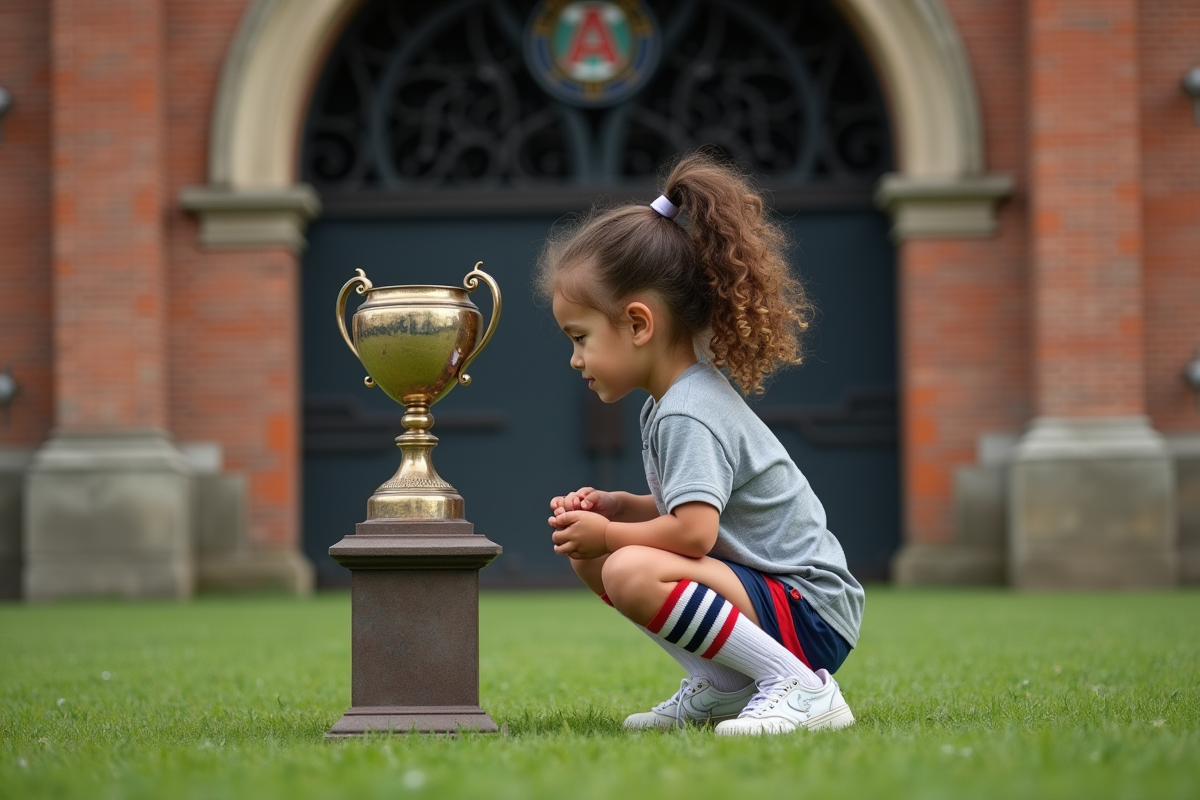
Economic stakes and the legacy of the World Cups: sports heritage tested by time
The heritage of football is not limited to victories or the glory of players. It is also inscribed in the walls of stadiums, living witnesses of decades of passion and stakes. Here are some venues that symbolize this heritage dimension:
- The Stade de France in Paris, built for the 1998 World Cup, a true landmark in the national sports landscape,
- The Geoffroy-Guichard Stadium in Saint-Étienne, the beating heart of a club and a city,
- The legendary Lescure Stadium in Bordeaux, whose history intertwines with that of its supporters.
Within these arenas, the question of conversion takes on its full meaning: how to preserve architectural heritage while meeting the demands of a globalized sport and today’s economic imperatives?
The stakes extend well beyond the playing field. The taxation of the sector, the management of image rights, and the strategies for passing on heritage concern both clubs and players who, once their careers are over, become savvy investors, supported by tax lawyers or family offices. This material dimension is accompanied by a true culture of transmission, where the management of financial risks now finds its way into the backstage of football business.
Great stadiums, such as the Gerland Stadium in Lyon, remain pillars of urban and social history, cementing the bond between a city and its community of supporters. At each World Cup, these places become the theater of a local economy in full swing, sometimes marked by wounds that take years to heal, but also by a long-term vision: how to make French football a model of sustainable heritage management? Every jersey waved, every packed stand, every shared memory inscribes football in the grand collective history, ready to cross the generations to come.
A stadium emptied of its chants is just a concrete monument. But a football that tells its story, that is shared, becomes a living heritage, one that no one will ever be able to erase.