Forget the poetry of chance: in the mountains, poorly anticipated weather can turn a dream day into a hassle. General models, too broad, miss the whims of each peak, each valley. The result: caution requires equipping oneself with tools designed for the terrain, snow, and wind—those that truly make a difference on the ground.
Fortunately, digital tools tailored for altitude are shaking up habits. Now, accessing reliable information on sensitive points, choosing the most suitable app for your mountain range, and combining multiple sources transforms the preparation for a mountain outing. Everyone adapts their choices: a hiker and a skier will not have the same requirements, an itinerary in the Northern Alps differs radically from a route in Auvergne. Personalizing weather tools according to the terrain becomes obvious, almost a safety reflex.
Essential weather apps and websites: how to choose the right tool for the mountains?
A simple glance upward is no longer enough to rely on the weather for the next day. To see clearly in the unpredictable, seasoned practitioners often test several weather platforms and apps. Between classic services and tools designed for the terrain, it can be difficult to sort through. How do you spot the right site, the one that closely aligns with the realities in the ski resorts or on the steep slopes of Auvergne Rhône-Alpes?
To avoid getting lost in the mass, steer towards services known for their local accuracy. The most relevant platforms detail the snow cover, report wind intensity, and model the quality of ski slopes for each altitude. Interactive maps, fed by data from weather stations scattered throughout each valley or at the summit, save time when preparing your bag.
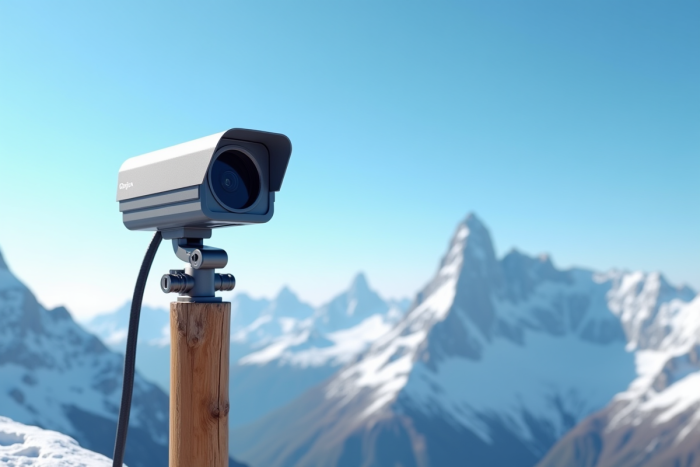
The detail that changes everything: obtaining instant confirmation with an image taken on-site. Webcams have become the irreplaceable ally: with a glance, you can grasp the real visibility, the state of the snow, the crowd levels, or the cloud cover throughout the day. Before hitting the road, checking a webcam at Bessat eliminates many uncertainties. This habit allows for quick reactions in case of sudden changes: nothing is set in stone, each mountain range imposes its own whims. Adapting tools to local geography and climate volatility becomes natural. Weather in the mountains does not tolerate approximation: it demands field experience and the confrontation between numerical data and raw reality.
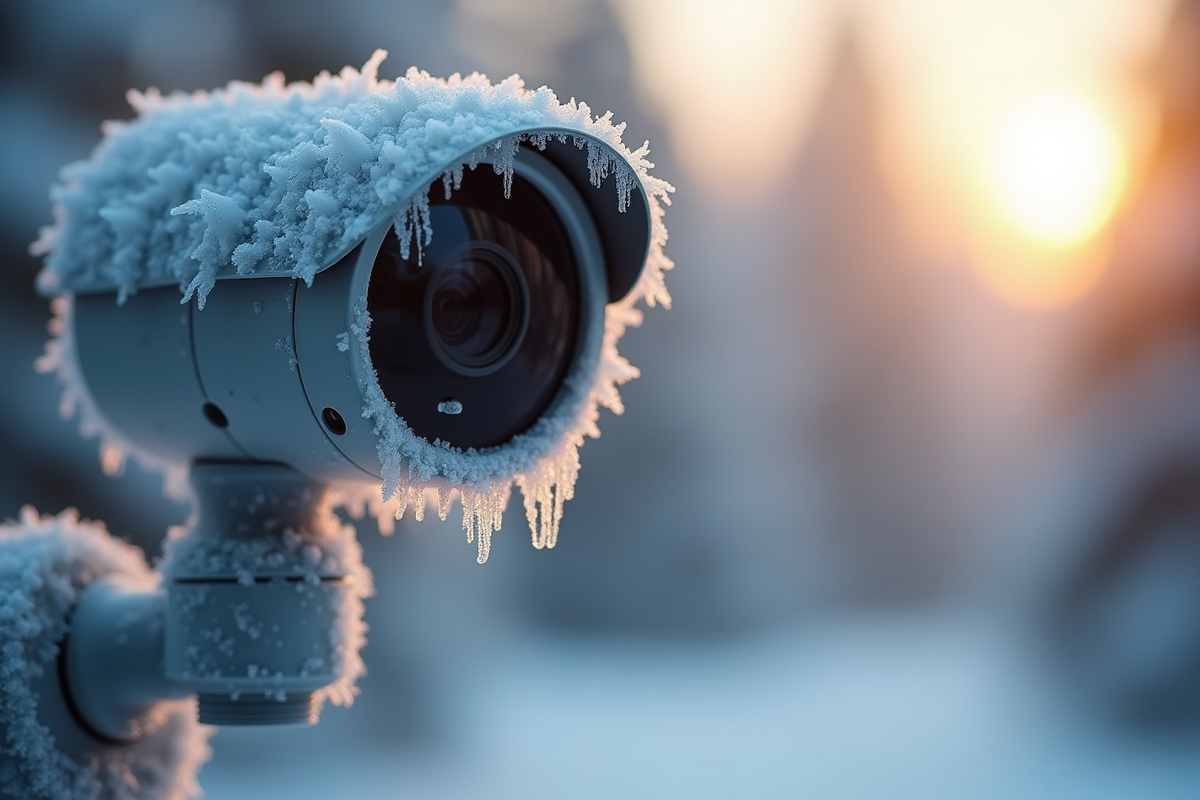
Live webcams, satellite images, and local data: allies for anticipating and adapting your activities at altitude
More than just a gadget, the live webcam has become essential for all those who do not take the mountains lightly. Whether preparing for a day of winter sports or an autumn hike, these images show, without filter or delay, the reality of the slopes, the thickness of fresh snow, or the cloud cover over the ridges. Some sites offer intelligently placed devices, from the pass to the shores of Lake Bourget or Lake Annecy. Several devices, even at several thousand meters of altitude, provide real-time feedback on what the visitor is about to discover.
Before leaving, it is wise to review these key points using the available visual tools:
- Observe the cloud cover on the Alps webcams and adjust your route if visibility threatens to decrease.
- Check the snow cover in the resorts, measure the traffic on the slopes, or verify access to a pass.
- Control, via images from the Bourget Lake webcams or Annecy Lake webcam, the brightness, visibility, and occurrence of sudden local phenomena.
To complement these images, weather satellites provide a global view: the evolution of a front, the arrival of a snow disturbance, the dynamics of cloud masses. Cross-referencing these elements with data collected on the ground further refines weather reading. Taking a look at the Confins webcam or following the sky of Val Thorens live: this is how to create a tailored outing preparation, resolutely focused on instant factual information. Now, intuition gives way to informed choice, to nuance, and the entire mountain experience is enriched.