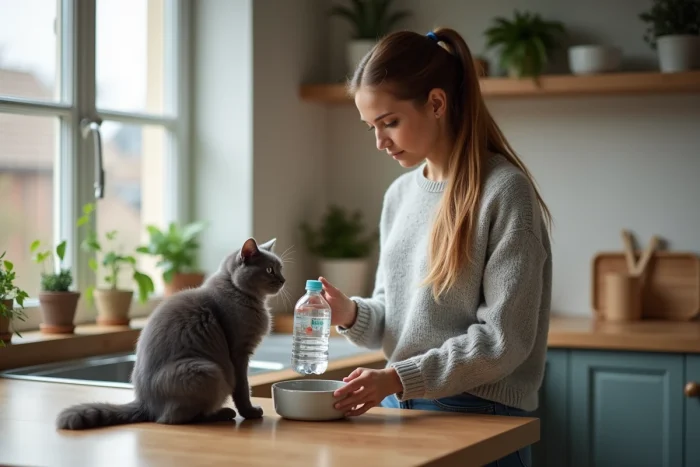
The numbers are telling: each year, the market for mineral water for pets continues to grow, driven by the increasing interest in animal welfare. However, behind this enthusiasm, the reality deserves a closer look. Many owners pour water intended for humans into their cat’s bowl without ever questioning whether its composition truly meets the needs of these unique felines. Yet, a cat’s requirements for minerals and hydration are very specific, and manufacturers sometimes seem to have forgotten this.
Veterinary warnings are multiplying: what may seem like a detail, the choice of water, can have lasting effects. Too many minerals, and the risks of urinary stones or kidney failure skyrocket. Feline hydration deserves careful consideration and precision, far from one-size-fits-all solutions.
The hydration needs of cats: understanding what is truly essential
Descended from desert animals, cats have inherited the ability to drink little. But their kidneys are not invincible; on the contrary, they require constant attention. Providing them with suitable water directly contributes to their urinary health, which is often compromised in this species.
Everything depends on what is poured into their bowl. Tap water can, in some regions, have a high content of calcium or magnesium, promoting the formation of deposits. Kibble, while convenient for daily feeding, provides little water, which exacerbates dehydration. In contrast, wet food significantly improves water intake, but does not exempt one from being attentive to the quality of the liquid served alongside.
Should one prefer filtered water, spring water, or bottled water for their cat? Low-mineral waters, low in calcium and magnesium, are recommended to minimize the risk of urinary blockages. It is in this context that some turn to Evian water, imagining they are offering the best to their companion. But does it really meet the needs of our cats?
To get an informed idea, the page Evian water for cats analyzes in detail the mineral properties of this water, with precise figures to support its effects on the feline body, and shares cautionary recommendations, particularly for animals that are already weakened.
Evian water for cats: what advantages and limitations for their health?
The reputation of Evian is based on its purity and very low nitrate levels. Its mineralization remains moderate: 80 mg/l of calcium, 26 mg/l of magnesium. This places it among low-mineral waters, which are highly recommended to avoid or limit urinary problems in cats, and align with veterinarians’ advice for those suffering from kidney insufficiencies.
However, some points invite nuance. Evian is packaged in plastic bottles, raising concerns about microplastics and PFAS, persistent chemical substances whose impact on health is still under scrutiny. Additionally, there are ecological questions surrounding disposable packaging, which are far from trivial.
For a cat, the quality of its drinking water is not just a matter of minerals. Freshness, odor, and the cleanliness of the container directly influence its consumption. Evian is a reliable option to avoid excess limestone, but each animal has its own specifics. The choice must be adapted based on its general condition, current diet, and medical history. And if any doubt remains, the veterinarian’s opinion is essential, as health is at stake in this daily routine.
Adopting the right habits to ensure optimal hydration for your companion
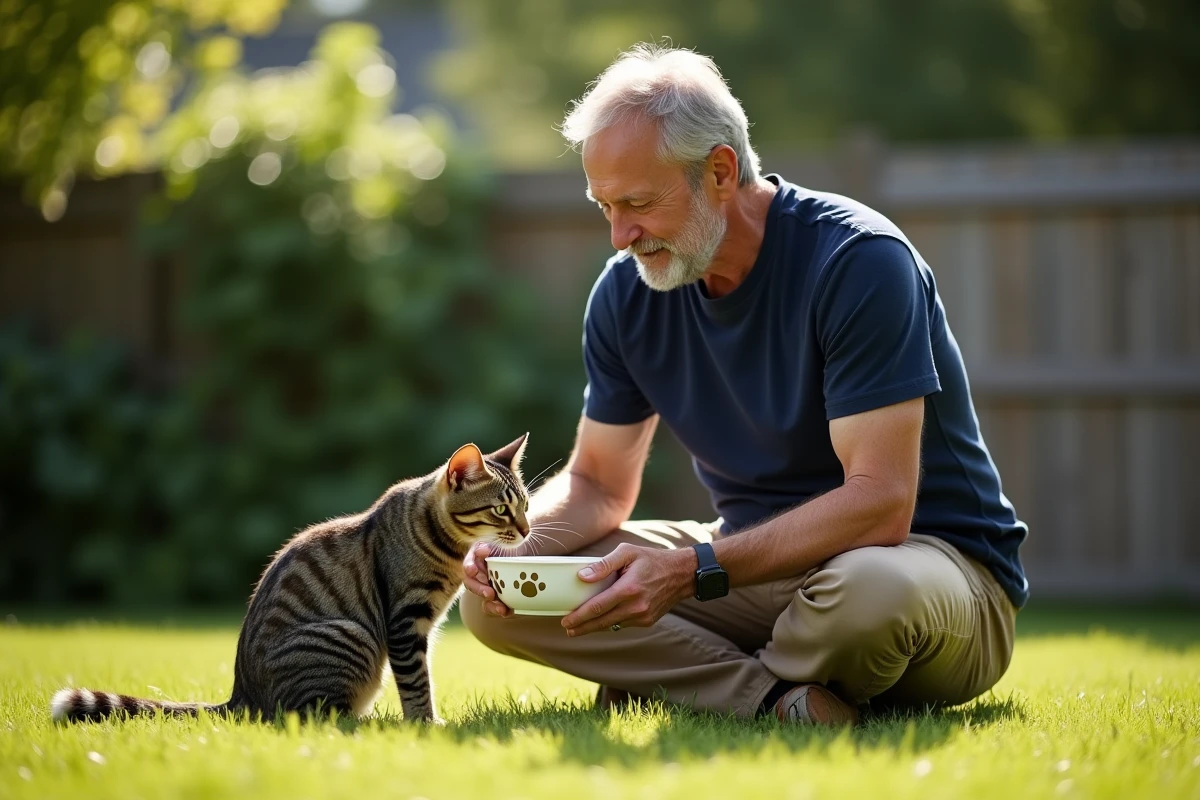
Ensuring that a cat drinks enough is not just about filling a bowl. The type of bowl, its maintenance, and the frequency of water changes all play a role. For example, some cats refuse a bowl that is too narrow: opting for a wide and shallow model prevents their whiskers from touching the edges, making the experience more enjoyable. Increasing the number of water sources in the house also stimulates the desire to drink, which is particularly important for older or less active cats.
Diet directly influences hydration levels: those fed almost exclusively on wet food already absorb a significant amount of water, unlike kibble eaters, for whom dehydration risk must be monitored.
Here are some simple actions to incorporate into your daily routine to support your cat’s good health:
- Prefer low-mineral water, whether from the tap, a filtered pitcher, or a bottle, as long as it remains clean and odorless.
- Avoid any stagnation: regularly cleaning and changing water bowls encourages the cat’s attraction to drinking.
- Closely monitor the amount of water consumed: a sudden decrease or rapid increase should raise concerns.
Getting your cat to drink requires patient attention, more than just choosing the latest trendy novelty. Practicality, variety, vigilance—these small repeated actions prevent the sometimes invisible accidents of dehydration. Sometimes, behind the simplicity of a carefully chosen bowl of water lies the vitality of our companions, silently but surely.